


Peak travel season is here — schools are out, and plenty of us are heading off to see family, escape the heat, or just get away for a while. But recent years have shown that travel plans can be disrupted by things well outside your control: industrial action, cancelled flights, and global instability have all made headlines.
You can’t control whether disruption happens. You can control how ready you are for it. We asked Caroline Lips, Head of Marketing at Staysure Expat, to walk through exactly what to do when things go wrong — bookmark this before you fly.
Quick guide — jump to your situation
- Flight cancelled? → Contact the airline or tour operator first, then consider your insurance options.
- Bags lost? → Get a PIR form before you leave the airport.
- Robbed? → Safety first, then cards, phone, and report to the police and your insurer promptly.
- Medical emergency? → Call emergency services or seek urgent treatment first, then contact your assistance line.
- Need to fly home early? → Speak to the airline before you claim on insurance.
What if my flight is cancelled and I need a hotel before the next one?
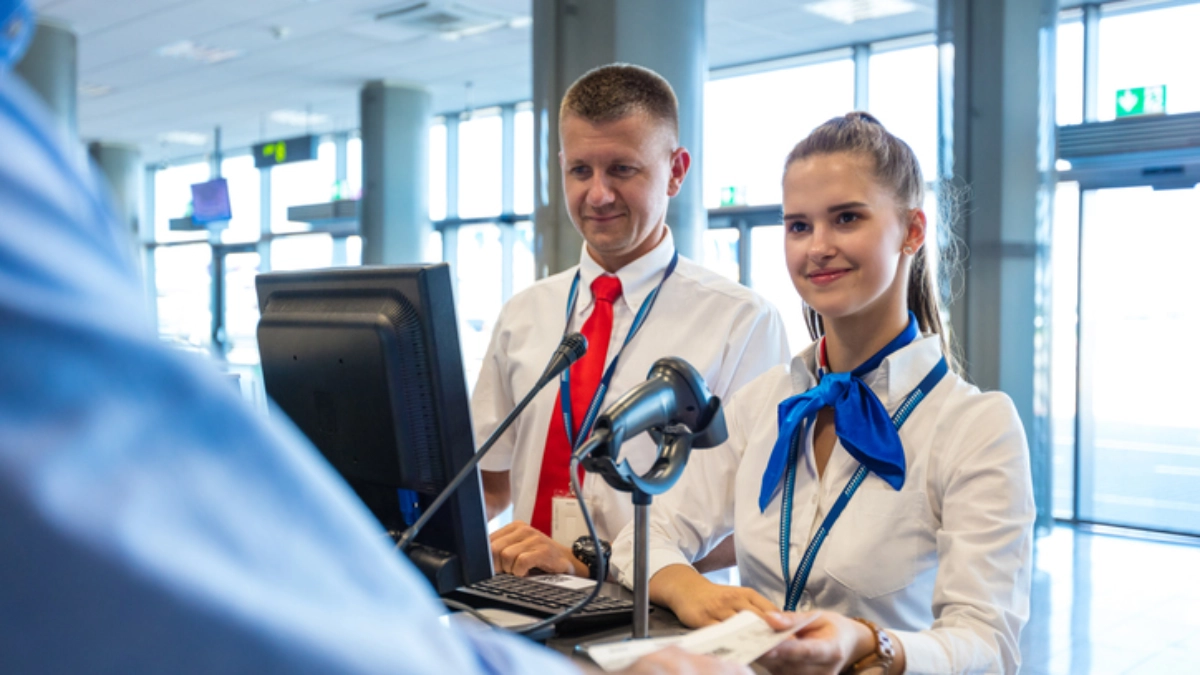
Where the applicable passenger-rights rules require it, the airline must offer reimbursement or re-routing and may also have to provide meals and accommodation. Contact the airline or tour operator first and keep evidence of its response and any additional expenses. Travel insurance may help with costs that can’t be recovered elsewhere, but most standard policies exclude events — like a strike — that had already been announced before you bought your cover.
What happens if my bags are lost?
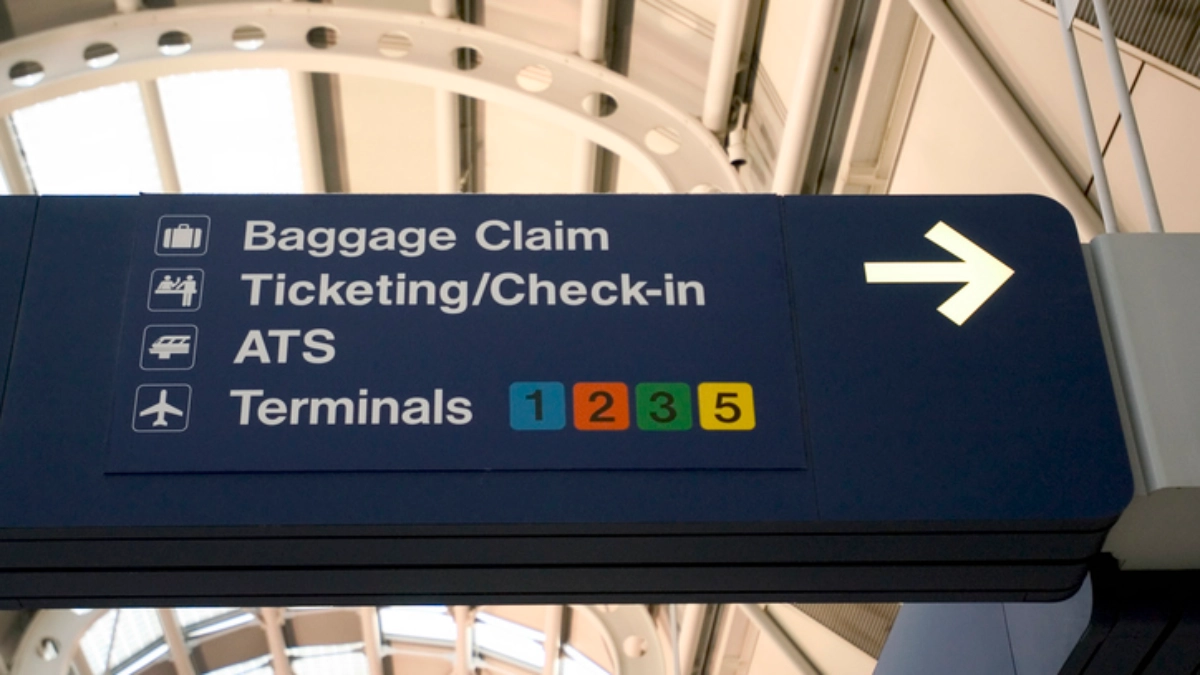
Go straight to the Baggage Service Desk inside the baggage collection hall and ask for a PIR — a Property Irregularity Report. This is the official document that logs your bag as missing, so give as much detail as you can: where you’re staying, your contact details, and a full description of the bag.
Keep a copy of the form and your reference number, along with your luggage tag receipt from your boarding pass. Depending on your policy and level of cover, travel insurance may contribute towards essential replacement purchases while your baggage is delayed, subject to the applicable limits, exclusions and evidence requirements. Submit a claim to the carrier where appropriate, then check your policy’s terms for what else may be covered.
What should I do if I get robbed while I’m away?

Get to a safe space first — a hotel lobby or police station. If a wallet was taken, freeze your cards immediately. If your phone was taken, use another device to log into your email, change your passwords, and remotely wipe the phone if you can, so thieves can’t access your accounts or digital wallet.
If your passport was stolen, contact your nearest embassy urgently to arrange an Emergency Travel Document so you can still travel home.
Report the incident to the local police as soon as possible and check the reporting deadline in your policy — the current Staysure Expat policy requires loss or theft of personal baggage to be reported within 24 hours of discovery. Get a physical copy of the report or a reference number, then notify your travel insurance provider, share the police report, and ask what’s covered, including things like a hotel extension if you miss a flight because of lost documents.
What should I do if I have a medical emergency abroad?
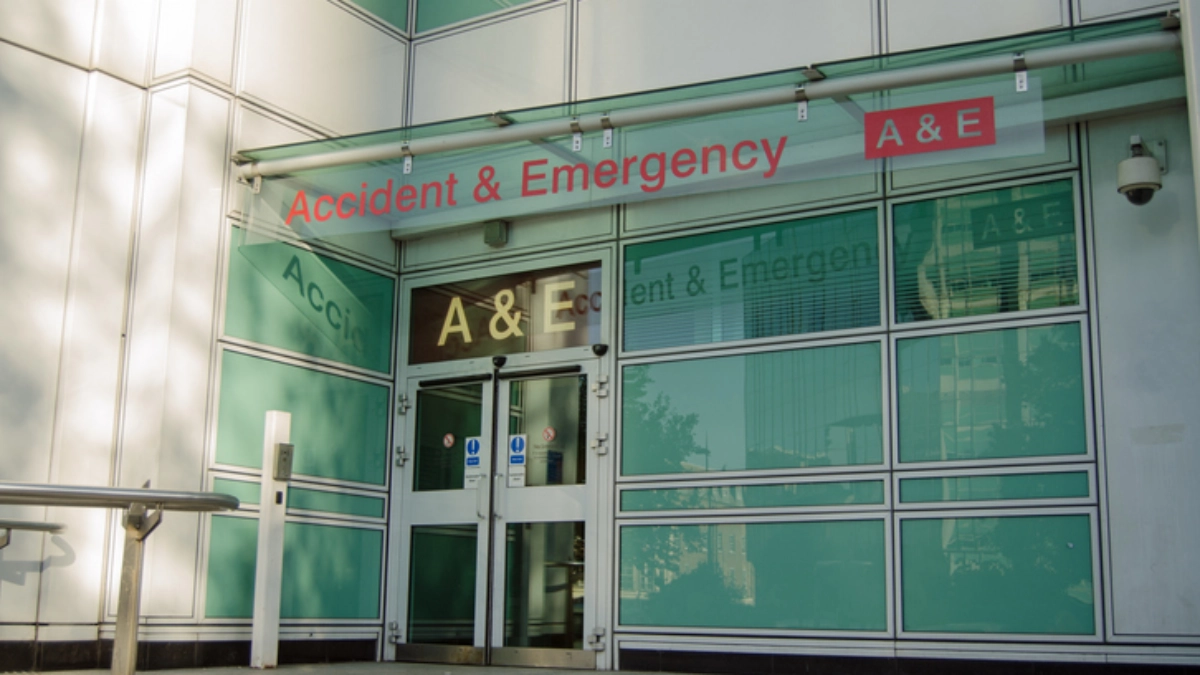
Call the local emergency services or seek urgent medical treatment first. Once you’re safe and receiving appropriate care, contact your travel insurance assistance line as soon as possible. If you’re travelling in the EU, a valid EHIC gives you access to medically necessary, state-provided healthcare on the same terms and at the same cost as people insured in the country you’re visiting — treatment is not necessarily free.
If outpatient treatment is likely to cost more than €350, or if you’re admitted to hospital, you or a travelling companion should contact the assistance team as soon as reasonably possible — certain medical, repatriation and additional travel costs require prior authorisation where reasonably practicable. Assistance teams typically have multilingual staff on call 24/7 who can speak directly to the hospital on your behalf and help direct you toward suitable facilities. Keep a medical report detailing the problem and treatment so you can claim afterwards.
What if I need to return home early?
Contact the airline first to find out whether it can rearrange your return flight and what charges may apply. If you need to return home because of illness or injury, contact the insurance assistance line before making new travel arrangements, where reasonably practicable — they can help validate the claim and arrange tickets if you’re covered.
Prepared beats lucky

None of this is about expecting the worst — it’s about not being caught out if it happens. Staysure Expat offers travel insurance that may include cover for pre-existing medical conditions, provided they are declared and accepted by the insurer and shown on the policy documentation, tailored to expats living in France, Spain, and Portugal, with English speaking support when you need it most.
For more travel advice, visit staysure.com/expat, or follow us on Instagram and Facebook.
This article is for general information only and does not constitute insurance advice or a personalised recommendation. Cover is subject to the policy terms, conditions, exclusions and limits. Pre-existing medical conditions must be declared and accepted by the insurer for cover to apply