
Rental, ticket and ATM scams to watch for in Spain, Portugal and France this summer

Scams targeting rentals, event tickets and card payments are common every summer in Spain, Portugal and France — and some of the tactics have changed. Here’s what’s actually happening right now, and the specific signs that give a scam away.
Quick gut-check
- Are you being asked to pay outside a recognised booking platform, or through cash, crypto or a bank transfer to an unfamiliar individual? Strong warning sign — verify the advertiser and property first, regardless of how good the photos look.
- Does the ticket site’s web address match the official seller exactly, letter for letter? If there’s any doubt, type it in manually rather than clicking a shared link.
- Is someone at an ATM or ticket machine offering to “help” enter a PIN? Decline, always, no exceptions.
Rental scams: what’s actually different now
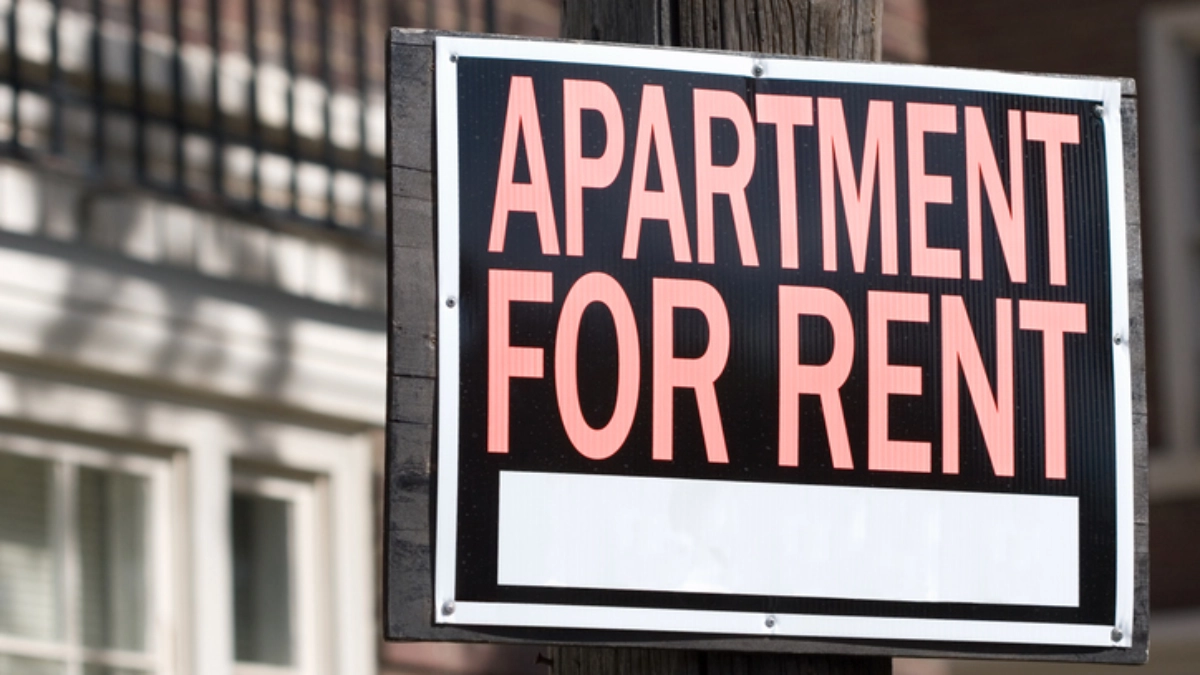
The tell used to be obvious — bad photos, broken English, an unbelievable price. Not anymore. Current fake listings often use real photos (sometimes lifted from a genuine property), a plausible price, and a landlord who sounds calm and organised. The giveaway isn’t the presentation. It’s the payment logic.
Watch for the same pattern regardless of country: the conversation moves quickly from the listing into WhatsApp or a messaging app, there’s sudden urgency (“another family is ready to pay today”), and you’re asked for a deposit or full payment before a viewing or a proper contract exists. A common variant tells you the owner is abroad and the keys will be couriered once payment clears.
Legitimate short-term accommodation in Portugal should have an Alojamento Local registration number. Check the registration through the official Portuguese service — but remember that a valid number alone doesn’t prove the person advertising the property is authorised to receive your payment.
The actual check: avoid making payments outside a recognised booking platform or through an untraceable payment method, and ask the landlord or agent to move from chat into a real process — identity, a signed contract, a clear payment sequence. A genuine landlord gets easier to deal with as you ask for this. A fake one gets vaguer, and pushes harder on urgency instead. That shift is the real signal, not the photos.
Ticket scams: it’s not just an obviously fake seller anymore

Fake ticket sites have become increasingly sophisticated, cloning genuine sellers’ branding, seat maps and payment confirmation screens closely enough that they’re hard to tell apart from the real thing. Some use fake “sold out” countdown timers or fake error messages during payment, designed to make buyers panic and try again with a different card.
The actual check: buy through the event organiser, the official ticketing partner or an authorised resale platform, and type the web address in manually rather than tapping a link from social media, a message or an advert. Be particularly cautious with any listing offering tickets for a “sold out” event — some authorised resale platforms can legitimately offer these, but it’s worth double-checking the platform itself is genuine before you pay.
The ATM and card thing everyone still gets slightly wrong
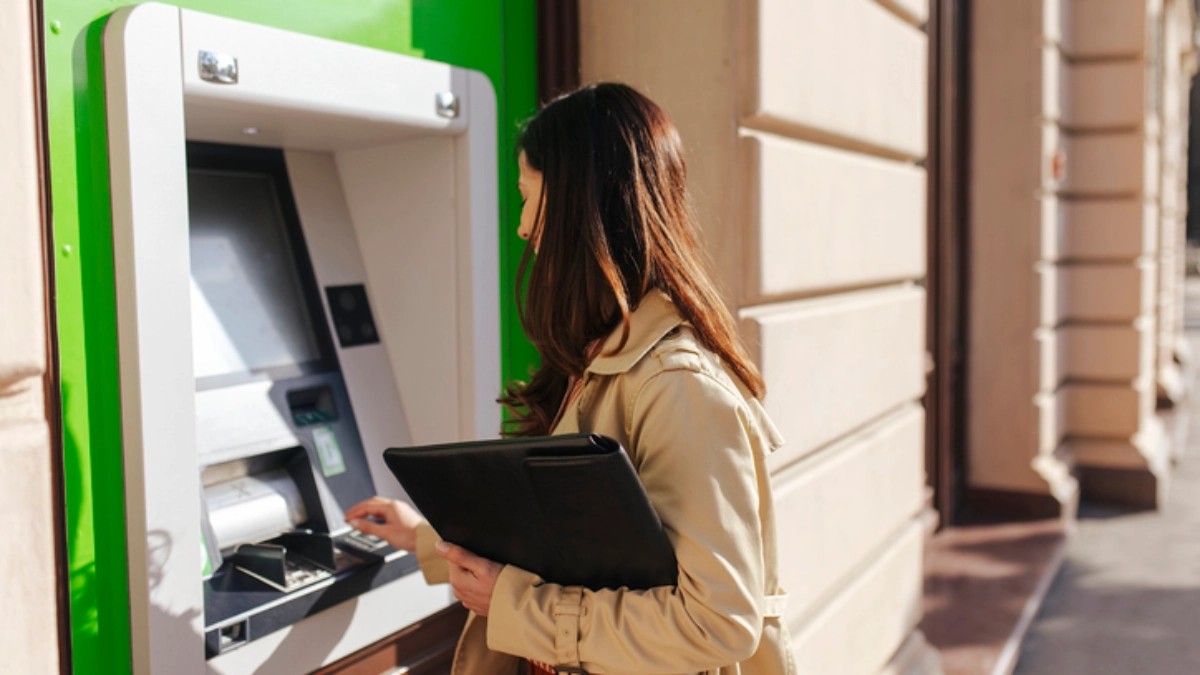
Because of chip-and-PIN and contactless payments, classic card-cloning skimmers are less common in much of Western Europe than older travel-scam advice suggests — though it’s still worth inspecting a card reader for anything loose, damaged or unusual before you use it. Two other risks are worth knowing about:
- Dynamic Currency Conversion. If your card isn’t denominated in euros, some ATMs and card machines in tourist zones will default to offering to charge you in your home currency instead. Compare the exchange rate and charges shown before confirming — choosing euros usually lets your own card issuer handle the conversion, but it’s worth checking your card provider’s foreign-exchange fees too.
- The “helpful stranger.” Someone offering to assist at an ATM or ticket machine, who’s actually watching your PIN or swapping your card, remains a real and low-tech scam. Cover the keypad and decline help you didn’t ask for.
Using ATMs inside bank branches rather than standalone street machines is generally considered a sensible precaution, though no location can fully eliminate the risk of fraud or theft.
The one that catches people completely off guard: fake police
Someone claiming to be a plainclothes officer asks to inspect a wallet “to check for counterfeit notes,” sometimes with a second person creating a distraction. By the time the wallet is handed back, cash has gone missing. This exact pattern has been documented recently in Lisbon and elsewhere in Europe.
The actual check: do not hand over your wallet, disclose your PIN, or allow anyone to handle your cards. Ask to see official identification, and independently call the local emergency number or police service to verify the person’s identity before engaging further
Quick recap
- Avoid paying outside a recognised booking platform or through an untraceable payment method — verify the advertiser and property first.
- Buy tickets through the official organiser, ticketing partner or an authorised resale platform, and type site addresses in manually rather than tapping a shared link.
- Compare the exchange rate and charges before confirming a card payment in a foreign currency.
- Never hand over your wallet, PIN or cards to anyone on the street, including someone claiming to be an official — verify their identity independently instead.
- Report any theft or fraud to the local police and your bank or card provider as soon as possible, and check your insurance policy for any specific notification deadlines and evidence requirements.
Follow us on Instagram and Facebook for more practical, expat-specific safety and travel updates.
This article is for general information only and does not constitute legal, financial or insurance advice. Cover is subject to policy terms, conditions, exclusions and limits.