
How to protect your phone and valuables from pickpockets in europe’s big cities this summer

Summer is peak season for city breaks — and, unfortunately, pickpockets and phone-snatchers are a well-known risk in some of Europe’s most popular capitals. If Barcelona, Paris, Lisbon or Porto are on your list this summer, here’s what’s worth knowing before you go, and what genuinely helps.
Quick gut-check
- Are you holding or checking your phone on the road side of the pavement? Move it to the building side.
- Is your bag’s main opening facing away from your body on public transport? Turn it round.
- Thinking about extra protection? A properly secured phone strap may reduce the risk of a quick grab-and-run, though no product can prevent every theft.
Where this tends to happen
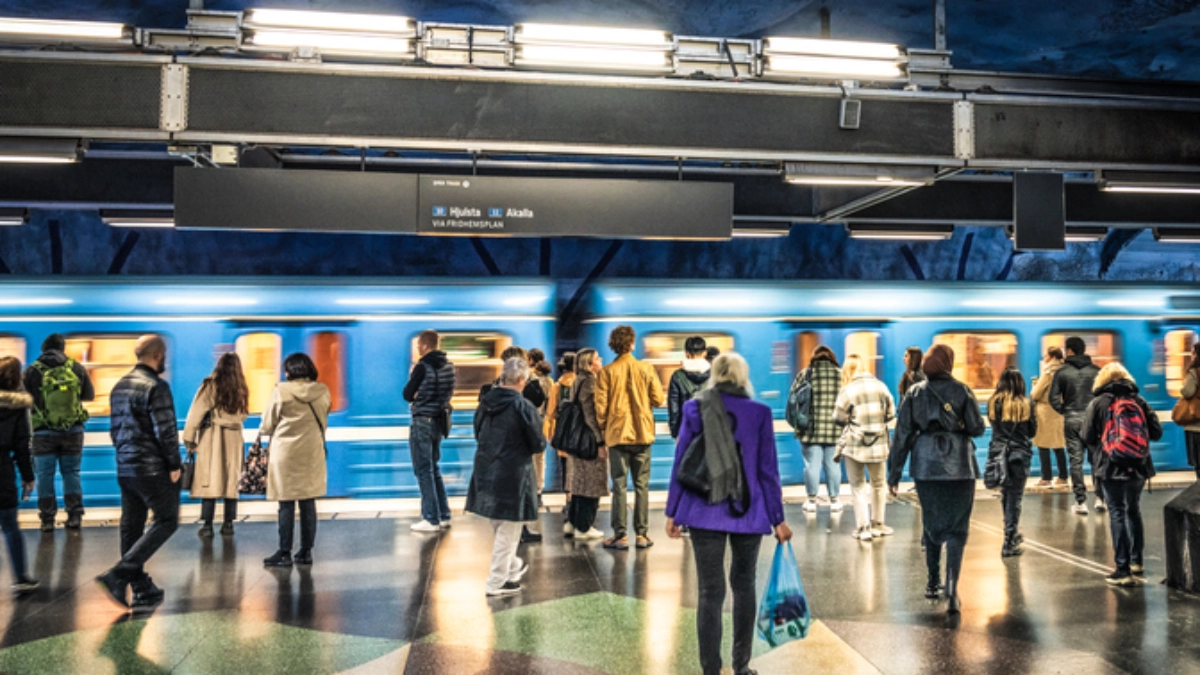
Pickpocketing and phone-snatching are long-standing, well-documented risks in busy tourist areas of major European cities. In Barcelona, that includes La Rambla, the Gothic Quarter, Barceloneta beach and busy metro platforms. In Lisbon and Porto, it’s the historic centres and popular tram routes. In Paris, it’s crowded metro lines and the areas around major sights.
Theft involving someone on a bike, moped or scooter grabbing a phone or bag is a recognised method in several of these cities, and isn’t limited to any particular time of day.
How the bike or scooter phone-snatch actually works
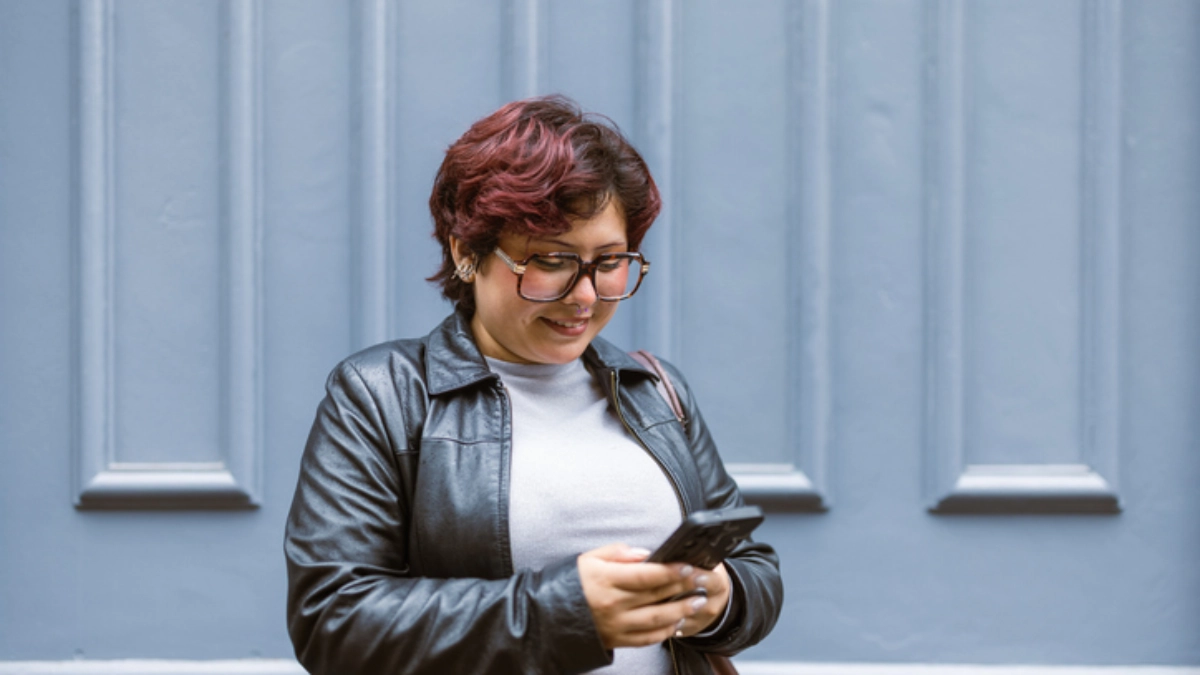
It’s quick and deliberately unremarkable. Someone on a bike, moped or scooter approaches from behind or alongside while you’re looking down at your phone, sometimes riding up onto the kerb to close the gap. They grab and they’re gone before you’ve fully registered what happened. On a moped with two people, the passenger often does the grabbing while the driver never even slows down. It can happen at any time of day, not just after dark — this is an “anywhere you’re distracted at street level” problem.
The free stuff that actually works
- Before any gear, the habits cost nothing and do most of the work:
- Hold or use your phone on the building side of the pavement, not the road side.
- Keep some unpredictability in how you carry it — switch hands or pockets rather than being an easy read.
- Treat any café terrace like a target zone: loop your bag strap around your leg or a chair leg, never hang it loose off the back of a chair.
- Metro and tram doors closing are commonly cited as a higher-risk moment for opportunistic theft, so it’s worth staying alert until they shut.
The gear worth actually buying
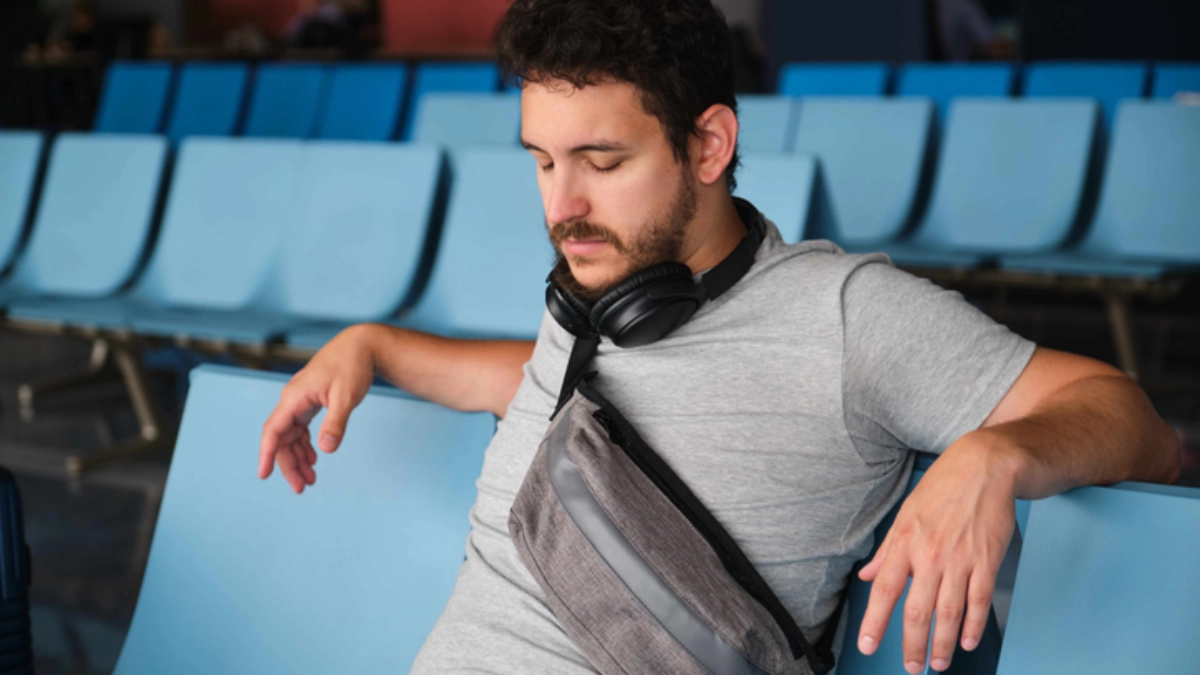
- Anti-theft crossbody bags and backpacks with lockable zips and slash-resistant straps are widely available and designed around this problem. The point isn’t that a blade physically can’t get through; it’s that it takes long enough that most opportunists give up and move to an easier target.
- A phone strap or cross-body phone case that tethers your phone to your wrist or across your body may reduce the risk of a bike or scooter grab-and-run, since the phone is harder to fully remove from you — though no product guarantees protection.
- A backpack with the main zip on the panel that sits against your body, or a small combination lock on the main compartment, makes casual opportunistic access more difficult.
If it happens anyway

- Freeze your cards immediately through your banking app.
- Use Find My iPhone or Find My Device from another device to locate or remotely lock the phone.
- Report the theft to the local police as soon as possible and check the deadline in your insurance policy — the current Staysure Expat policy requires loss or theft of personal baggage to be reported within 24 hours of discovery.
- Notify your insurer and attach the police report to your claim.
If it happens anyway
None of this is about being paranoid on a city break — it’s about not being the easiest person in the crowd to target. Worth checking before you go: does your travel insurance actually cover phone and bag theft, and what do you need to do to claim?
Follow us on Instagram and Facebook for more practical, expat-specific safety and travel updates.
This article is for general information only and does not constitute insurance or security advice. Cover is subject to policy terms, conditions, exclusions and limits.